Finding the perfect rental property requires careful consideration of space, location, budget, and lifestyle needs. Townhomes for rent offer a unique middle ground between apartment living and single-family houses, providing renters with multi-level layouts, private entrances, and often yard space without the responsibilities of home ownership. Whether you're relocating for work, seeking temporary housing during a major event, or simply exploring different living arrangements, understanding the townhome rental market helps you make informed decisions that align with your specific requirements.
Understanding the Townhome Rental Market
The rental housing landscape has evolved significantly, with townhomes representing an increasingly popular option for renters seeking more space and privacy. Unlike traditional apartments, townhomes typically feature multiple floors, attached garages, and individual outdoor areas, creating a home-like atmosphere while maintaining the flexibility of renting.
Market dynamics for townhomes for rent vary considerably by region and season. Research analyzing rental housing spot markets demonstrates how online platforms have transformed how renters access real-time information about available properties, pricing trends, and neighborhood characteristics. This digital transformation means renters can now conduct thorough research before ever scheduling a property viewing.
Key Market Factors Affecting Townhome Rentals
Several elements influence townhome rental availability and pricing:
- Seasonal demand fluctuations based on school calendars, employment cycles, and special events
- Location premiums for properties near business districts, entertainment venues, or sporting facilities
- Property age and condition affecting both rental rates and included amenities
- Local economic conditions driving overall housing market performance
- Community association rules that may impact rental policies and restrictions
Understanding these factors helps renters time their search strategically and negotiate favorable lease terms.
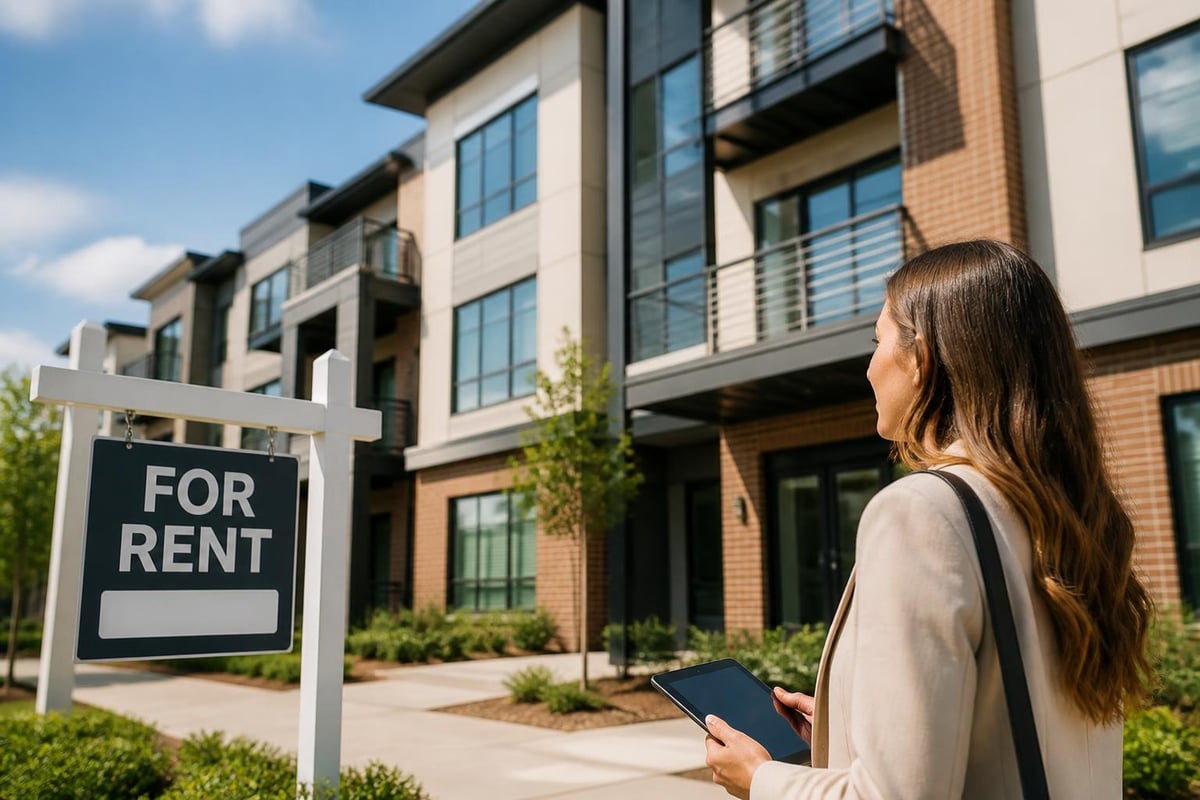
Advantages of Choosing Townhomes for Rent
Townhomes deliver distinctive benefits that appeal to diverse renter demographics, from young professionals to families requiring temporary housing during relocations or extended events.
Space and layout advantages stand out immediately. Most townhomes provide 1,500 to 2,500 square feet across multiple levels, offering separate living, dining, and sleeping areas. This vertical design creates natural separation between private and common spaces, ideal for families, roommates, or professionals who work from home.
Privacy represents another compelling advantage. Unlike apartments with shared hallways and adjacent neighbors on multiple sides, townhomes typically share only one or two walls with neighboring units. Private entrances eliminate the need to navigate communal lobbies or corridors, creating a more residential feel.
Comparing Townhomes to Other Rental Options
| Feature | Townhomes | Apartments | Single-Family Houses |
|---|---|---|---|
| Square Footage | 1,500-2,500 sq ft | 600-1,200 sq ft | 2,000-3,500 sq ft |
| Outdoor Space | Patio/small yard | Balcony (sometimes) | Full yard |
| Privacy Level | High | Moderate | Highest |
| Maintenance Responsibility | Low to Moderate | Minimal | High |
| Monthly Cost | Moderate to High | Low to Moderate | High to Very High |
| Lease Flexibility | Moderate | High | Low |
For those seeking furnished accommodations near specific venues or events, townhomes offer the space to accommodate guests comfortably while maintaining a professional appearance. Properties near major sporting venues, for instance, provide convenient access while offering more amenities than traditional hotel arrangements.
Strategic Search Approaches for Townhome Rentals
Finding quality townhomes for rent requires a systematic approach that combines online research, professional assistance, and thorough property evaluation. The comprehensive guide to finding townhomes for rent emphasizes creating a clear wants-versus-needs list before beginning your search, helping you focus on properties that truly match your requirements.
Creating Your Search Criteria
Start by defining non-negotiable requirements:
- Budget parameters including maximum monthly rent, utility expectations, and deposit capabilities
- Location boundaries based on commute times, proximity to specific venues, or neighborhood preferences
- Space requirements such as minimum bedrooms, bathrooms, and total square footage
- Timeline constraints including desired move-in dates and lease duration flexibility
- Essential amenities like parking, laundry facilities, or pet accommodation
Once you've established your baseline requirements, identify desirable features that would enhance your living experience but aren't absolute necessities. This distinction helps you make balanced decisions when evaluating multiple properties.
Leveraging Online Resources Effectively
Digital platforms have revolutionized how renters discover available properties. Studies examining rental housing markets through Craigslist data reveal spatial and temporal patterns that help renters understand market dynamics across different metropolitan areas.
Major rental listing platforms like Zillow’s Pennsylvania townhome rentals and Wisconsin townhome listings aggregate thousands of properties with detailed filtering options. Set up automated alerts for new listings matching your criteria to gain first-mover advantage in competitive markets.
Beyond national platforms, explore local property management websites and specialized rental services. Companies focusing on specific geographic areas or event-based rentals often maintain exclusive listings not advertised on broader platforms.

Evaluating Properties and Understanding Lease Terms
Once you've identified promising townhomes for rent, thorough evaluation separates truly suitable properties from those that merely appear attractive online. Schedule viewings during different times of day to assess natural lighting, noise levels, and neighborhood activity patterns.
Essential Property Inspection Points
During viewings, systematically evaluate these critical areas:
- Structural condition including walls, ceilings, floors, and windows for signs of damage or poor maintenance
- Mechanical systems such as HVAC functionality, water pressure, and electrical outlets
- Appliance condition verifying all included appliances operate properly
- Storage capacity in closets, garage, and additional storage areas
- Safety features including smoke detectors, carbon monoxide alarms, and secure locks
- Outdoor spaces checking fencing, patio conditions, and yard maintenance responsibilities
Document everything through photos and notes. This record protects you during move-in inspections and provides reference points for maintenance requests.
Navigating HOA Rules and Community Guidelines
Many townhome communities operate under homeowners associations with specific rules governing rental properties. Understanding these regulations before signing a lease prevents future conflicts and potential penalties.
Common HOA restrictions affecting renters include:
- Parking regulations specifying where vehicles must be parked and guest parking policies
- Exterior modifications prohibiting changes to doors, windows, or landscaping
- Noise ordinances establishing quiet hours and acceptable activity levels
- Pet policies detailing breed restrictions, size limits, and registration requirements
- Common area usage rules for amenities like pools, clubhouses, or fitness centers
Request copies of HOA documents during the application process. Some associations charge renter registration fees or require background checks beyond those conducted by landlords.
Lease Negotiations and Financial Considerations
Understanding the complete financial picture beyond monthly rent helps you budget accurately and avoid surprises. Townhomes for rent typically involve more complex cost structures than apartments due to utility arrangements, maintenance responsibilities, and association fees.
Complete Cost Breakdown
| Expense Category | Typical Range | Payment Frequency | Notes |
|---|---|---|---|
| Monthly Rent | $1,500-$4,000 | Monthly | Varies significantly by location and size |
| Security Deposit | 1-2 months rent | One-time | Refundable with conditions |
| Utilities | $150-$400 | Monthly | Often tenant responsibility |
| Renters Insurance | $15-$30 | Monthly | Usually required |
| HOA Fees | $0-$200 | Monthly | Sometimes included in rent |
| Parking | $0-$150 | Monthly | May be additional charge |
Negotiate lease terms before signing. While monthly rent might seem fixed, landlords often show flexibility on move-in dates, deposit amounts, included furnishings, or minor upgrades. Properties that have been vacant for extended periods present stronger negotiation opportunities.
Furnished versus unfurnished options significantly impact both cost and convenience. Furnished townhomes command premium rents but eliminate moving expenses and furniture acquisition costs. For temporary housing needs, fully-furnished properties like those offered through Wimbledon Tennis Homes’ property portfolio provide immediate comfort without long-term commitments.
Specialized Rental Scenarios and Short-Term Options
Beyond traditional year-long leases, townhomes for rent increasingly accommodate diverse rental timeframes and purposes. Corporate relocations, extended business projects, and major sporting or cultural events drive demand for flexible rental arrangements.
Event-Based and Seasonal Rentals
Major events create unique rental opportunities for both property owners and renters seeking temporary accommodations. The Wimbledon tennis tournament, for example, attracts thousands of players, officials, media personnel, and spectators requiring housing ranging from compact one-bedroom units to spacious five-bedroom properties for families or groups.
Short-term townhome rentals typically include:
- Fully-furnished interiors with kitchen equipment, linens, and essential household items
- Utility inclusion simplifying budgeting and eliminating setup hassles
- Flexible lease terms accommodating event schedules and travel timelines
- Premium locations providing convenient access to venues and attractions
- Concierge services assisting with local recommendations and logistics
These specialized rentals command higher monthly rates than traditional leases but deliver exceptional value when you calculate the total cost of hotels, dining out, and transportation over equivalent timeframes.

Maintenance Responsibilities and Property Care
Clarifying maintenance responsibilities prevents disputes and ensures properties remain well-maintained throughout your tenancy. Townhomes for rent typically distribute maintenance duties between landlords, property management companies, HOAs, and tenants based on lease agreements and local regulations.
Standard Responsibility Distribution
Landlord/Owner Obligations:
- Major system repairs including HVAC, plumbing, and electrical
- Structural maintenance affecting walls, roof, and foundation
- Appliance repairs or replacements when provided
- Pest control services (in most jurisdictions)
- Common area maintenance coordination
Tenant Responsibilities:
- Routine cleaning and general upkeep
- Yard maintenance including mowing and basic landscaping
- Minor repairs like replacing light bulbs or air filters
- Damage beyond normal wear and tear
- Prompt reporting of maintenance issues
Document all maintenance requests in writing, even when initially reported by phone. Maintain a correspondence file including dates, descriptions, and any photos of issues requiring attention. This documentation proves valuable if disputes arise regarding security deposit deductions.
Location Considerations and Neighborhood Research
Location profoundly impacts your townhome rental experience, affecting everything from daily convenience to long-term satisfaction. Beyond obvious factors like commute times and school districts, consider nuanced elements that influence quality of life.
Proximity to essential services, entertainment options, and transportation hubs creates convenience and potentially reduces transportation costs. Neighborhoods near major venues or business districts often provide walkability benefits while commanding premium rental rates.
Evaluating Neighborhood Characteristics
Conduct thorough neighborhood research using multiple information sources:
- Visit at different times including weekday mornings, weekday evenings, and weekends
- Observe traffic patterns, parking availability, and pedestrian activity
- Identify nearby amenities including grocery stores, restaurants, parks, and healthcare facilities
- Research crime statistics through local police department databases
- Join neighborhood social media groups to understand community dynamics
For event-specific rentals, location proximity becomes paramount. Properties within walking distance of venues eliminate transportation logistics and provide flexibility for multiple daily visits. Areas surrounding the All England Lawn Tennis Club, for instance, offer distinct advantages during tournament periods, combining residential quiet with exceptional access.
Application Process and Tenant Screening
Preparing a strong rental application accelerates approval and demonstrates your reliability as a tenant. Landlords typically evaluate applications based on credit history, income verification, rental history, and background checks.
Building a Competitive Application Package
Assemble these documents before beginning your search:
- Proof of income through recent pay stubs, tax returns, or employment letters
- Credit report obtained from major reporting agencies
- Rental history including previous landlord contact information and dates of tenancy
- Personal references from employers, colleagues, or professional acquaintances
- Government-issued identification such as driver's license or passport
- Bank statements demonstrating financial stability and deposit funds
Many landlords require monthly income of at least three times the rental amount. If your income falls slightly below this threshold, offering a larger security deposit or providing a co-signer can overcome objections.
Transparency throughout the application process builds trust. Proactively address any credit issues or previous rental challenges with honest explanations rather than hoping landlords won't notice. Most landlords appreciate candor and consider context when evaluating applicants.
Move-In Preparation and Documentation
Thorough move-in documentation protects both tenants and landlords, establishing baseline property conditions and preventing deposit disputes. Before accepting keys, conduct a detailed walkthrough with your landlord or property manager, documenting every pre-existing issue.
Create a comprehensive move-in report covering:
- Walls, ceilings, and floors in every room noting scratches, stains, or damage
- Window and door functionality including locks and weather sealing
- Appliance condition with photos of current state
- Plumbing fixtures and water pressure in all bathrooms and kitchen
- HVAC system operation and thermostat functionality
- Exterior condition including siding, walkways, and outdoor fixtures
Photograph or video record everything, ensuring images are dated and stored securely. Many landlords provide standardized move-in checklists, but creating your own supplementary documentation provides additional protection.
Test all utilities immediately after moving in. Run water in all fixtures, test electrical outlets, operate the heating and cooling systems, and verify appliance functionality. Report any issues within 24-48 hours to establish they existed before your occupancy.
Maximizing Your Townhome Rental Experience
Once settled, small investments in organization and personalization transform rental townhomes into comfortable homes without violating lease terms. Focus on temporary modifications that enhance functionality while remaining easily reversible.
Space optimization strategies include freestanding shelving units, over-door organizers, and modular furniture that adapts to different room configurations. These solutions provide the organizational benefits of permanent installations without requiring wall modifications.
Aesthetic improvements through removable wallpaper, command-strip artwork hanging, and strategic lighting create personalized environments reflecting your style. Landlords typically welcome these improvements as they maintain or enhance property condition.
Building positive landlord relationships facilitates smooth tenancies and often leads to lease renewals on favorable terms. Communicate promptly about issues, maintain the property respectfully, and pay rent consistently on time. These simple practices create goodwill that benefits both parties throughout the rental period.
Securing the right townhome rental requires strategic planning, thorough research, and clear understanding of your specific needs and budget constraints. By leveraging online resources, conducting detailed property evaluations, and negotiating favorable lease terms, you position yourself for a successful rental experience that delivers comfort, convenience, and value. Whether you're searching for traditional long-term housing or specialized short-term accommodations during major events, Wimbledon Tennis Homes offers fully-furnished, stylish townhomes and properties in prime locations near the AELTC, backed by 25 years of experience serving players, media, officials, and fans with exceptional service and attention to detail.