The concept of a tennis house extends far beyond a simple residence with a backyard court. Whether referring to architectural masterpieces designed around tennis facilities, properties built specifically for tournament accommodation, or homes that seamlessly integrate athletic amenities with luxury living, the tennis house represents a unique intersection of sport, design, and lifestyle. For players, officials, media professionals, and passionate fans attending prestigious tournaments like Wimbledon, understanding the nuances of tennis house design, construction, and rental options can significantly enhance the tournament experience.
Understanding the Tennis House Concept
A tennis house serves multiple purposes depending on context and location. In architectural terms, it represents a residence deliberately designed to incorporate tennis facilities as a central feature rather than an afterthought. The Tennis House by KO&CoArchitecture exemplifies this approach, showcasing how professional design can integrate courts with living spaces while respecting the surrounding landscape.
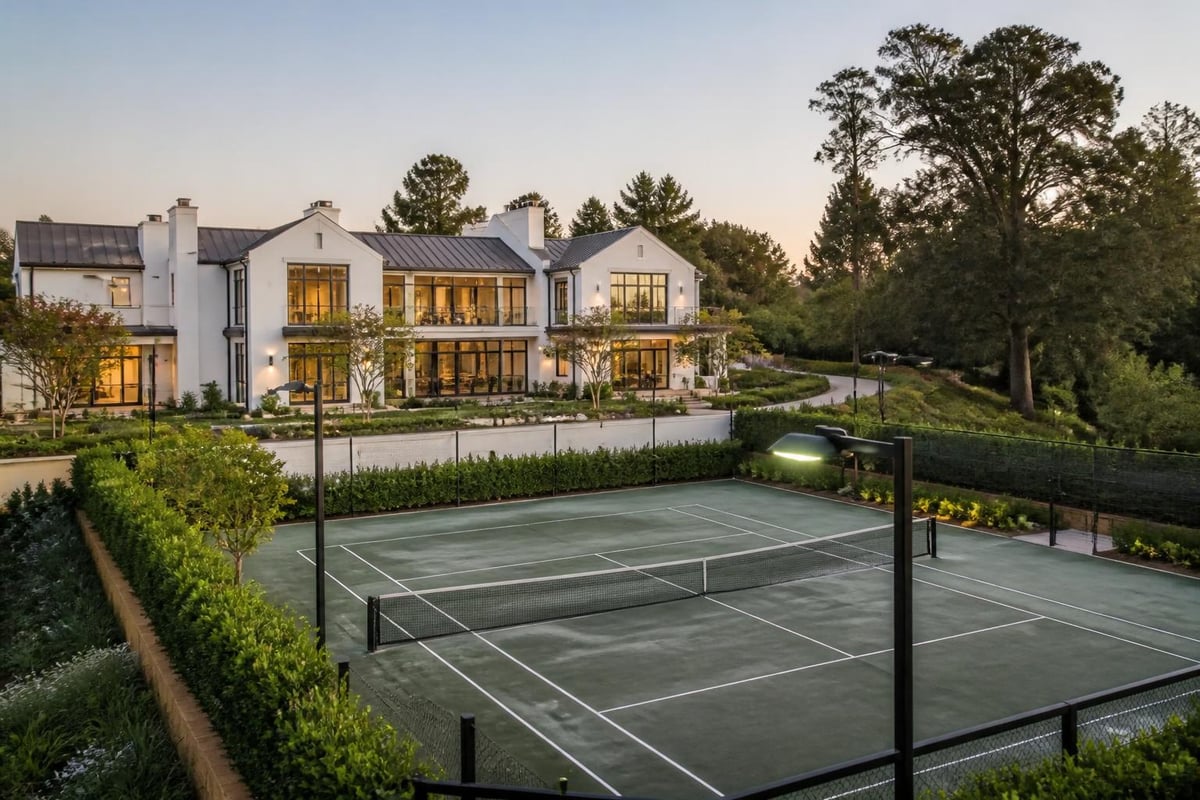
From a tournament perspective, the tennis house takes on different meaning entirely. These properties function as temporary homes for participants and spectators during major championships. Located in prime areas near tournament venues, they provide the convenience, comfort, and amenities necessary for peak performance and enjoyment during competition periods.
Architectural Elements of Tennis House Design
The architectural tennis house requires careful planning to balance athletic functionality with residential comfort. Key design considerations include:
- Court orientation to maximize natural lighting while minimizing glare during play
- Acoustic management to reduce noise impact on neighboring properties and living spaces
- Climate control systems that maintain optimal playing conditions year-round
- Spectator viewing areas integrated into the home's design for entertaining
- Equipment storage that keeps gear organized without cluttering living areas
Modern tennis house designs often feature glass walls or large windows overlooking the court, creating visual connections between indoor and outdoor spaces. The Kyneton House, built on a former tennis court site, demonstrates how contemporary architecture can honor sporting heritage while creating functional modern living environments.
Tennis Court Construction Fundamentals
Whether building a private tennis house or preparing tournament accommodation properties, understanding tennis court construction proves essential. The quality of court construction directly impacts property value, playability, and long-term maintenance requirements.
Foundation and Base Preparation
Professional tennis court construction begins well beneath the visible playing surface. The materials and layers in tennis court construction create a foundation system that manages drainage, provides stability, and ensures consistent ball bounce characteristics.
| Layer | Material | Primary Function |
|---|---|---|
| Subgrade | Compacted soil | Load distribution and stability |
| Base Course | Crushed stone aggregate | Drainage and structural support |
| Intermediate | Fine gravel or asphalt | Surface smoothing and bonding |
| Surface | Acrylic, clay, or grass | Playing characteristics and performance |
The base preparation process involves excavation, grading, and multiple rounds of compaction. According to comprehensive construction guides, proper base preparation accounts for approximately forty percent of total construction costs but prevents costly repairs and resurfacing needs down the line.
Surface Selection and Performance
Different tennis house owners select court surfaces based on playing preferences, climate conditions, and maintenance capabilities. Hard courts offer durability and consistent performance. Clay courts provide a slower playing surface preferred by many European players. Grass courts, while prestigious, demand intensive maintenance and specialized knowledge.
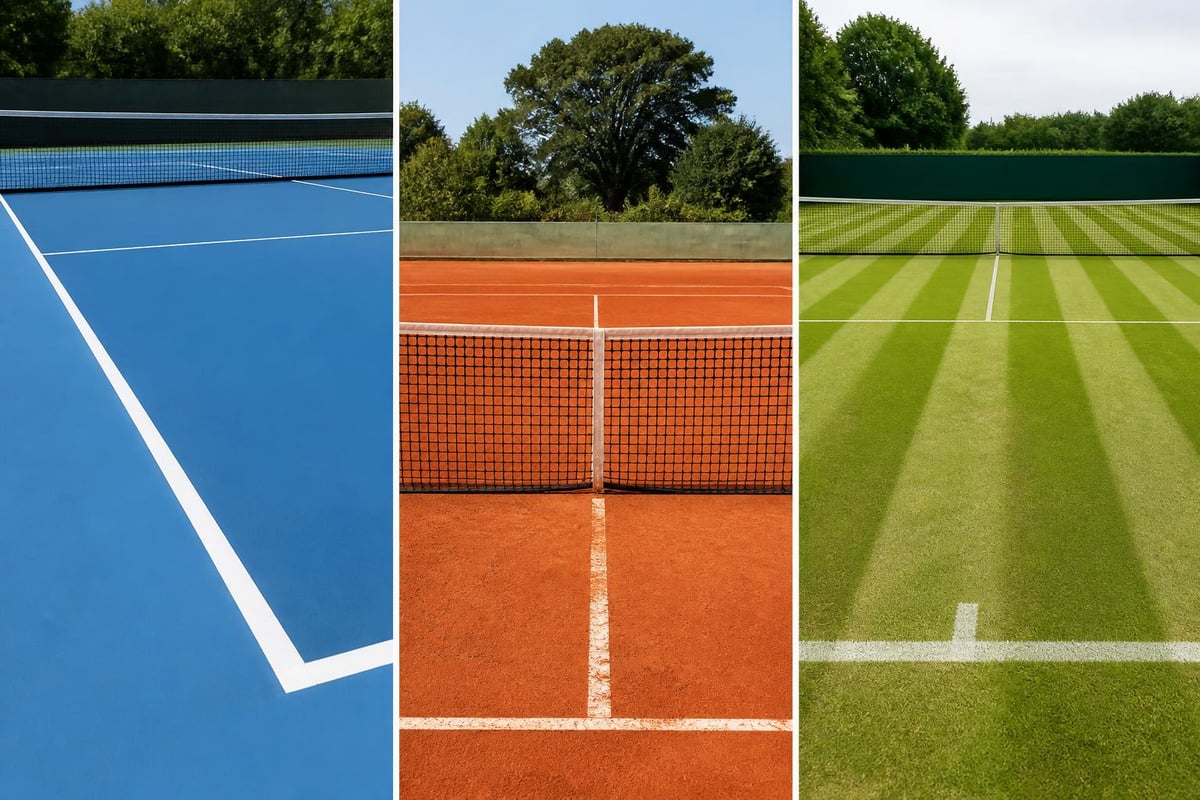
The differences between Har-Tru and all-weather asphalt surfaces illustrate how surface choice impacts both initial investment and ongoing operational costs. Hard courts typically cost less to install and maintain, while clay surfaces require daily maintenance but offer superior joint-friendly playing characteristics.
Tournament Accommodation: The Wimbledon Tennis House
During major tennis tournaments, the tennis house concept transforms into premium temporary accommodation. Properties near championship venues become highly sought-after homes away from home for participants and spectators traveling from around the world.
Location Advantages Near Tournament Venues
Proximity to tournament grounds provides numerous practical advantages. Players reduce travel time and stress, maintaining focus on competition rather than logistics. Media professionals access venues quickly for early morning setup and late evening coverage. Spectators maximize their tournament experience by minimizing commute times and enjoying local neighborhoods.
Properties within walking distance or short transport connections to venues like the All England Lawn Tennis and Croquet Club command premium rates during tournament periods. These locations offer more than convenience-they provide immersion in the tournament atmosphere and access to the cultural experience surrounding major championships.
Essential Amenities for Tournament Living
A quality tennis house rental during tournament season must provide specific amenities that standard vacation rentals might overlook:
- High-speed internet connectivity for streaming matches, video analysis, and business communications
- Flexible dining spaces accommodating varying schedules and dietary requirements
- Quiet work areas for preparation, analysis, or remote business obligations
- Laundry facilities for managing sports apparel and equipment during multi-week tournaments
- Secure storage for valuable equipment, credentials, and personal belongings
Many tournament participants require luxury house rental options that extend beyond basic accommodation to include premium furnishings, concierge services, and professional housekeeping. These elevated offerings recognize that tournament participation represents significant professional and personal investment.
Design Inspiration from Historical Tennis Houses
Historical tennis houses provide architectural inspiration that remains relevant for contemporary projects. The Tennis House in Grosse Pointe demonstrates how early twentieth-century architects integrated sporting facilities into residential estates while maintaining aesthetic harmony with surrounding properties.
Contemporary Renovations and Modern Updates
Modern tennis house renovations often blend historical character with contemporary functionality. The Cocoplum Clubhouse Tennis Club renovation illustrates how designers can respect heritage elements while introducing modern amenities, energy-efficient systems, and updated playing surfaces.
These projects balance preservation with performance, maintaining architectural significance while meeting current expectations for comfort, technology integration, and environmental sustainability. Successful renovations consider both the building's historical context and the practical requirements of modern tennis play.
Investment Considerations for Tennis House Owners
Property owners considering tennis house development or renovation face several financial considerations. Construction costs, ongoing maintenance, insurance requirements, and potential rental income all factor into investment calculations.
| Cost Category | Typical Range | Annual Maintenance |
|---|---|---|
| Court Construction | $40,000-$120,000 | $1,500-$5,000 |
| Lighting System | $8,000-$25,000 | $500-$1,000 |
| Fencing/Enclosure | $5,000-$15,000 | $200-$500 |
| Property Insurance Increase | N/A | $800-$2,500 |
Properties marketed for tournament rental generate revenue during championship periods that can offset annual maintenance costs. Owners who host tournament guests benefit from specialized property management services that handle marketing, booking coordination, guest services, and property maintenance during and between rental periods.
Maximizing Tournament Rental Returns
Strategic property preparation maximizes tournament rental income. Tennis house owners should consider:
- Professional staging that showcases property strengths and creates welcoming environments
- Documentation of nearby amenities including restaurants, shops, transportation options, and recreational facilities
- Flexible booking policies that accommodate varying tournament schedules and potential weather delays
- Responsive property management ensuring rapid resolution of any guest concerns or maintenance issues
- Premium pricing strategies that reflect location advantages and superior amenities
Properties offering exceptional experiences during tournament periods often secure repeat bookings from returning participants and spectators, creating reliable annual revenue streams.
Sustainability in Tennis House Development
Contemporary tennis house projects increasingly prioritize environmental sustainability. Modern construction techniques, materials selection, and operational practices reduce environmental impact while maintaining high performance standards.
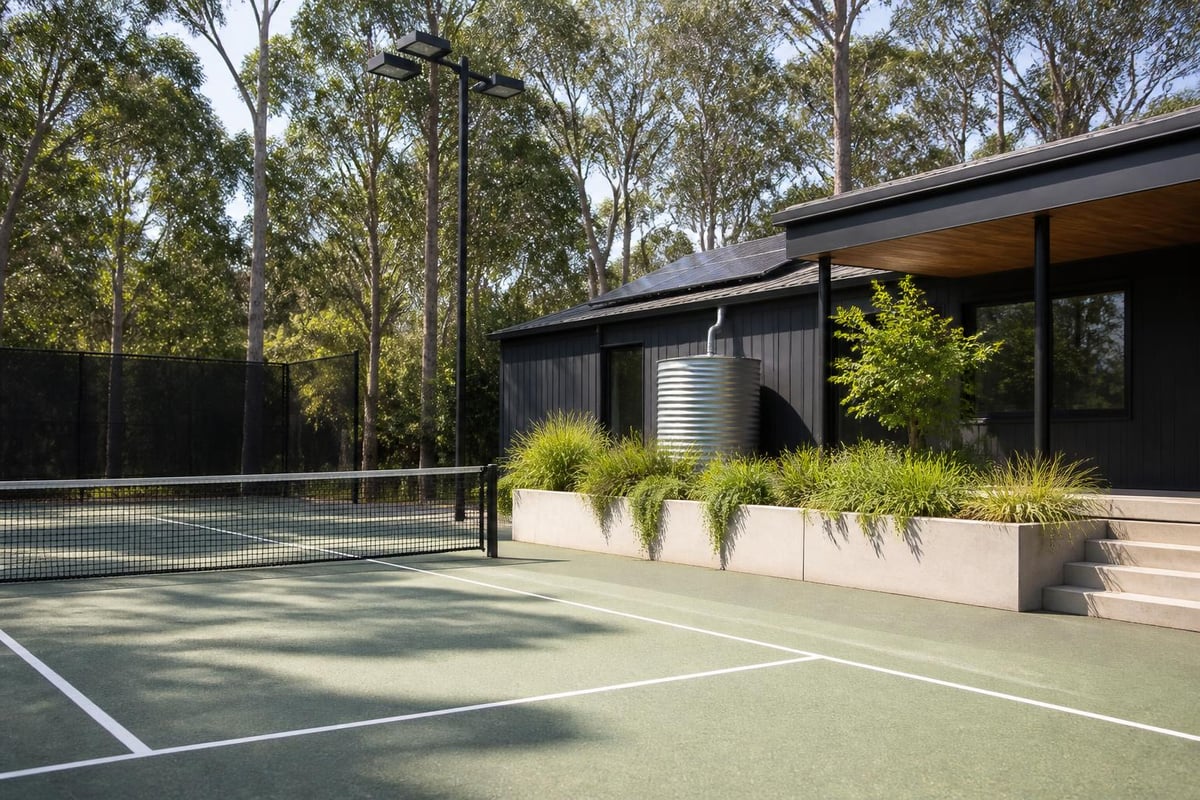
Sustainable approaches include permeable court surfaces that manage stormwater naturally, LED lighting systems reducing energy consumption, and materials selection emphasizing durability and environmental responsibility. These investments often provide long-term cost savings through reduced utility expenses and extended material lifespans.
Water Management and Conservation
Tennis courts require water for cleaning and, in the case of clay surfaces, daily maintenance. Sustainable tennis house designs incorporate rainwater harvesting systems, drought-resistant landscaping around court perimeters, and efficient irrigation technologies that minimize water waste while maintaining optimal playing conditions.
Choosing the Right Tennis House for Tournament Stays
Spectators and participants selecting tournament accommodation should evaluate several factors beyond basic location and price. The ideal tennis house rental enhances the tournament experience through thoughtful amenities, convenient access, and comfortable living spaces.
Evaluation Criteria for Tournament Accommodation
When comparing tennis house options for tournament stays, consider these essential factors:
- Walking distance or reliable transport connections to tournament grounds
- Flexible check-in and check-out times accommodating unpredictable tournament schedules
- Multiple bedrooms and bathrooms providing privacy for groups and families
- Kitchen facilities enabling meal preparation according to dietary preferences and timing needs
- Outdoor spaces offering relaxation areas away from tournament crowds
Properties managed by experienced specialists understand tournament-specific requirements and anticipate guest needs before issues arise. Twenty-five years of tournament hosting experience provides valuable insights into what makes stays comfortable, convenient, and memorable.
The Future of Tennis House Development
Emerging trends in tennis house design reflect changing priorities around technology integration, wellness amenities, and flexible spaces. Modern projects incorporate smart home systems controlling lighting, climate, and security. Wellness features like recovery rooms, stretching areas, and meditation spaces support athletic performance and general wellbeing.
The Centre Court House represents forward-thinking residential design that positions tennis facilities as central organizing elements rather than auxiliary features. This approach creates homes where sporting passion drives architectural decisions and lifestyle priorities.
Technology Integration in Modern Tennis Houses
Contemporary tennis house projects leverage technology to enhance both playing experiences and residential comfort. Court monitoring systems track usage and maintenance needs. Automated lighting adjusts based on natural light conditions and time of day. Climate control systems maintain optimal temperatures for play while conserving energy during non-use periods.
Smart home integration extends throughout the property, allowing occupants to control security systems, entertainment options, and environmental settings through unified interfaces. These technologies particularly benefit tournament rentals, where guests appreciate intuitive controls and reliable connectivity for work and entertainment needs.
The tennis house concept encompasses diverse applications from architectural masterpieces featuring integrated courts to premium tournament accommodation serving championship participants and spectators. Understanding construction fundamentals, design principles, and rental market dynamics helps property owners maximize investments while ensuring guests enjoy exceptional tournament experiences. Whether you're seeking the perfect base for attending Wimbledon or exploring property rental opportunities during championship season, Wimbledon Tennis Homes offers twenty-five years of expertise in matching guests with ideal properties near the All England Club, ensuring comfortable, convenient, and memorable tournament stays.