Every summer, the prestigious Wimbledon Championships transforms Southwest London into the epicenter of international tennis. For two weeks, this historic tournament draws thousands of players, officials, media professionals, and passionate fans seeking accommodation near the All England Lawn Tennis Club (AELTC). If you own property in the Wimbledon area, this annual event presents a unique opportunity to generate substantial rental income. Understanding how to let your house during Wimbledon tennis requires careful planning, legal compliance, and strategic preparation to maximize your returns while ensuring a seamless experience for your guests.
Understanding the Wimbledon Rental Market
The Wimbledon Championships creates unprecedented demand for quality accommodation in Southwest London. Tournament participants, international media crews, corporate sponsors, and tennis enthusiasts compete for limited housing near the AELTC grounds.
Market Demographics and Demand Patterns
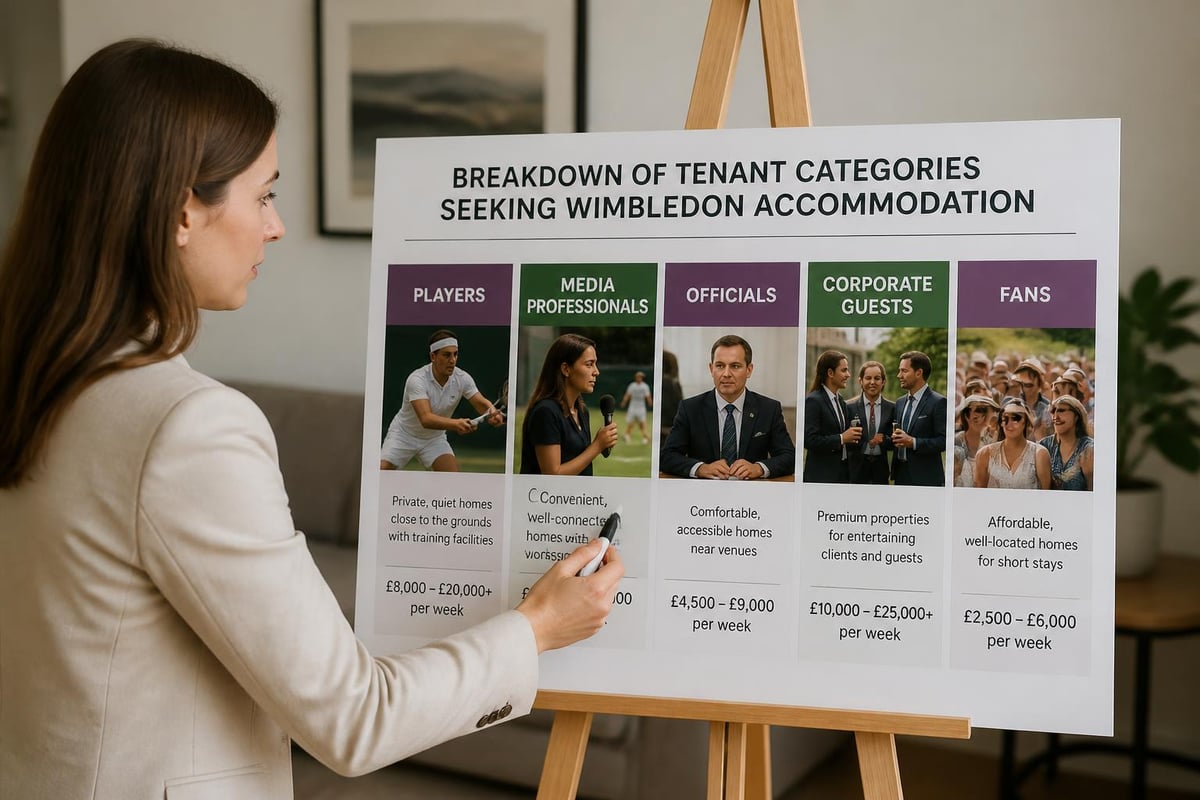
The rental market during the tennis fortnight encompasses diverse tenant groups with distinct requirements. Professional players and their coaching teams typically seek spacious, quiet properties with multiple bedrooms and premium amenities. Media organizations require accommodation for journalists, camera crews, and production staff, often booking multiple properties in close proximity. Corporate hospitality groups lease homes for client entertainment purposes, while individual fans prioritize affordability and convenient access to the tournament grounds.
Key tenant categories include:
- Professional tennis players and coaching staff
- International media and broadcasting teams
- Tournament officials and umpires
- Corporate executives and VIP guests
- Tennis enthusiasts and families
Property demand peaks during the Championship fortnight, typically scheduled for late June through early July. Booking inquiries begin as early as December, with prime properties securing tenants by February or March.
Pricing Dynamics and Revenue Potential
Rental rates during Wimbledon far exceed standard market prices. A modest two-bedroom apartment that typically rents for £2,000 monthly might command £5,000 to £8,000 for the tournament fortnight. Luxury properties near the AELTC can generate £15,000 to £30,000 or more during the same period.
| Property Type | Standard Monthly Rent | Wimbledon Fortnight Rate | Revenue Multiple |
|---|---|---|---|
| 1-Bedroom Flat | £1,500 – £2,000 | £3,500 – £5,000 | 3.5x – 4x |
| 2-Bedroom House | £2,500 – £3,500 | £6,000 – £9,000 | 4x – 5x |
| 3-Bedroom House | £3,500 – £5,000 | £9,000 – £14,000 | 5x – 6x |
| 4+ Bedroom House | £5,000 – £8,000 | £15,000 – £30,000+ | 6x – 8x |
Location proximity to the tournament significantly influences pricing power. Properties within walking distance of the AELTC command premium rates, while those requiring short taxi or public transport journeys offer mid-tier pricing opportunities.
Legal Requirements and Regulatory Compliance
When you let your house during Wimbledon tennis, compliance with short-term rental regulations is mandatory. London's regulatory framework governs temporary lettings to protect housing stock and ensure tenant safety.
The 90-Day Rule and Planning Permission
London properties can be rented as short-term lets for a maximum of 90 days annually without requiring planning permission. This regulation applies to entire properties; spare room rentals while you occupy the residence fall outside this restriction. The 90-day rule for short-term lets requires meticulous record-keeping to demonstrate compliance.
Exceeding the 90-day threshold triggers planning permission requirements. Applications must demonstrate that the property's primary use remains residential. Some London boroughs enforce additional restrictions, so consulting local planning authorities ensures full compliance.
Lease and Freeholder Considerations
Most leasehold properties include clauses restricting short-term lettings. Review your lease agreement carefully, as violations can result in legal action from freeholders or management companies. Some leases explicitly prohibit lettings under three or six months, while others require written consent for any subletting arrangement.
Freehold property owners enjoy greater flexibility but should still verify any restrictive covenants or homeowners' association rules. The legal framework for short-term rentals varies by property type and location, making professional legal review advisable before listing your property.
Safety Regulations and Insurance
Short-term rental properties must meet specific safety standards. Gas Safety Certificates, Electrical Installation Condition Reports, and smoke and carbon monoxide detectors are legal requirements. Furnishings must comply with fire safety regulations, particularly upholstered items manufactured before 1988.
Essential compliance documents include:
- Valid Gas Safety Certificate (renewed annually)
- Electrical Installation Condition Report (every five years)
- Energy Performance Certificate (valid for ten years)
- Portable Appliance Testing certificates for electrical items
- Fire safety equipment certification
Standard homeowners' insurance typically excludes short-term rental activity. Specialized landlord insurance or short-term letting endorsements protect against property damage, liability claims, and income loss. Inform your insurer about rental plans to maintain coverage validity.

Preparing Your Property for Tennis Fortnight Guests
Professional presentation distinguishes exceptional Wimbledon rentals from average offerings. Guests paying premium rates expect immaculate properties with thoughtful amenities and seamless functionality.
Interior Preparation and Presentation
Deep cleaning every room, window, and surface creates the foundation for positive guest experiences. Professional cleaning services understand short-term rental standards, addressing details homeowners might overlook. Fresh linens, pristine bathrooms, and spotless kitchens set appropriate first impressions.
Decluttering personal items creates neutral, hotel-like environments. Store family photographs, personal collections, and valuables securely off-site. This approach protects your belongings while allowing guests to feel comfortable in the space.
Quality furnishings and modern appliances enhance property appeal. While complete renovations aren't necessary, addressing worn furniture, outdated fixtures, or damaged items improves perceived value. Small investments in luxury bedding, quality towels, and modern kitchenware yield significant returns through higher rental rates and positive reviews.
Amenities and Guest Experience Enhancements
Tournament attendees value convenience and comfort after long days at the Championships. Well-stocked kitchens enable self-catering, while reliable Wi-Fi supports work and entertainment needs. Air conditioning or quality fans address warm summer temperatures, particularly important during the tennis fortnight's typical weather patterns.
Consider providing Wimbledon-specific amenities that demonstrate local expertise:
- Detailed neighborhood guides highlighting restaurants, shops, and transport options
- Transportation information for reaching the AELTC grounds
- Local taxi and ride-sharing service contact details
- Grocery delivery service recommendations
- Instructions for all appliances and household systems
The walking distance AELTC accommodation category particularly benefits from pedestrian route maps and tips for avoiding tournament traffic.
Professional Photography and Marketing Materials
High-quality photographs dramatically impact booking rates and achievable rental prices. Professional real estate photographers understand how to showcase properties optimally, using proper lighting, angles, and staging techniques. Comprehensive photo sets should include all rooms, outdoor spaces, parking areas, and neighborhood context shots.
Detailed property descriptions highlight unique selling points and address common guest questions preemptively. Specify exact distances to the AELTC, nearby Underground stations, and local amenities. Transparent communication about property features, sleeping arrangements, and house rules prevents misunderstandings and supports positive guest relationships.
Marketing Your Property and Securing Bookings
Strategic marketing determines whether you let your house during Wimbledon tennis at optimal rates or settle for reduced returns. Multiple promotional channels reach different tenant segments effectively.
Distribution Channels and Listing Platforms
Specialized agencies focusing on tournament accommodation possess established client databases of returning guests. These services handle marketing, tenant screening, bookings, and property management for commission fees typically ranging from 15% to 25% of rental income. The convenience and expertise justify costs for many property owners, particularly first-time Wimbledon landlords.
For property owners seeking properties across different sizes, options like 1-bedroom properties, 2-bedroom properties, or 5-bedroom properties demonstrate market diversity and tenant accommodation needs.
Direct marketing through personal networks, social media, and targeted advertising offers higher profit margins but requires greater time investment. Previous guests often book for subsequent years, building loyal client relationships that eliminate marketing costs entirely.
Timing and Booking Strategy
Early marketing captures organized groups booking multiple properties simultaneously. Tournament officials, media organizations, and player management teams finalize accommodation arrangements months in advance. Listing properties by January positions you advantageously for these early bookers willing to pay premium rates for certainty.
Flexible cancellation policies attract tentative bookers while protecting your interests. Requiring non-refundable deposits secures commitment, while offering partial refunds for cancellations beyond specific deadlines balances guest concerns with revenue protection. Clear terms prevent disputes and support professional relationships.
Financial Considerations and Tax Obligations
Rental income from short-term lettings carries specific tax implications requiring proper reporting and planning.
Income Reporting and Allowances
Rental income must be declared on Self Assessment tax returns. The Rent-a-Room scheme permits tax-free rental income up to £7,500 annually when renting furnished accommodation in your primary residence while continuing to live there. This relief doesn't apply when renting your entire property during the Wimbledon fortnight.
Legitimate expenses offset taxable rental income, including:
- Property maintenance and repairs
- Utility costs during guest occupation
- Cleaning services and supplies
- Property management or agency fees
- Insurance premiums
- Professional photography and marketing costs
- Mortgage interest (with restrictions introduced in recent years)
Maintain detailed records of all income and expenses to support accurate tax reporting and maximize allowable deductions. The comprehensive guidance on short-term rental taxation clarifies reporting obligations and allowable expense categories.
Council Tax and Business Rates Considerations
Short-term lettings typically remain subject to Council Tax rather than Business Rates, provided the property isn't let commercially year-round. However, intensive short-term letting might trigger Business Rates assessment, significantly increasing costs. Local authority guidance clarifies thresholds and classification criteria.
If you temporarily relocate during the tournament to rent your entire property, maintain Council Tax payment responsibility unless tenants occupy the property for extended periods. Coordinate with your local council regarding notification requirements and payment obligations during rental periods.
Managing Guest Relationships and Property Access
Professional property management ensures smooth experiences for all parties when you let your house during Wimbledon tennis.
Check-in and Check-out Procedures
Clear arrival and departure processes prevent confusion and establish professional standards. Detailed check-in instructions should specify key collection methods, property access codes, parking arrangements, and emergency contact information. Some landlords arrange personal greetings to orient guests, answer questions, and ensure property condition verification.
Inventory documentation protects both parties by recording property condition and contents at occupancy commencement and conclusion. Photographic evidence supplements written inventories, providing clear reference points for assessing potential damage or missing items. Professional inventory services offer independent verification that reduces dispute risks.
Communication and Support During Occupancy
Responsive communication throughout guest stays demonstrates professionalism and addresses issues before they escalate. Provide multiple contact methods, including phone, email, and messaging platforms. Consider appointing local property managers or trusted contacts who can address urgent matters when you're unavailable.
Anticipate common questions and provide comprehensive welcome guides covering household systems, local recommendations, and emergency procedures. Proactive information sharing reduces interruptions while enhancing guest satisfaction and encouraging positive reviews.
| Management Aspect | DIY Approach | Professional Management | Hybrid Model |
|---|---|---|---|
| Time Investment | High | Minimal | Moderate |
| Control Level | Complete | Limited | Balanced |
| Cost | Lowest | 15-25% commission | 10-15% fees |
| Expertise | Learning curve | Established systems | Selective services |
| Best For | Local owners, small portfolios | Remote owners, multiple properties | Experienced owners seeking specific support |
The short-term let during Wimbledon tennis fortnight market rewards both approaches depending on individual circumstances and preferences.
Neighborhood Considerations and Local Impact
Understanding how short-term rentals affect local communities guides responsible property management and sustainable rental practices.
Community Relations and Neighbor Communication
Informing neighbors about temporary guests demonstrates consideration and prevents surprise. Provide neighbors with contact information for addressing concerns directly rather than through complaints to authorities. Brief guests about parking restrictions, noise considerations, and community norms to minimize disruptions.
Some residential areas experience higher short-term rental concentrations during Wimbledon, prompting neighbor concerns about parking, noise, and transient populations. Respectful practices and responsive management mitigate these issues while maintaining positive community relationships.
Research examining Airbnb’s impact on London housing demonstrates how concentrated short-term rentals influence residential neighborhoods. While Wimbledon fortnight represents temporary, seasonal letting rather than year-round commercial operations, awareness of broader implications supports balanced approaches.
Future Regulatory Developments
London continues evolving short-term rental regulations in response to housing pressures and community concerns. Proposed changes include national registration schemes, enhanced enforcement mechanisms, and potential planning use class modifications. The upcoming changes to short-term rental regulations may affect future Wimbledon letting opportunities.
Staying informed about regulatory developments ensures continued compliance and protects your investment. Subscribe to local authority planning updates, join landlord associations, and consult property professionals regularly to anticipate changes affecting short-term lettings.

Maximizing Your Property's Rental Potential
Strategic enhancements and positioning optimize returns when you let your house during Wimbledon tennis while maintaining reasonable investment levels.
Location-Specific Marketing Advantages
Proximity to the AELTC represents the single most valuable property characteristic during the Championships. Properties within a 15-minute walk command premium pricing, while those requiring short public transport journeys attract mid-range rates. Emphasize walking distances, nearby Underground stations, and convenient bus routes in marketing materials.
Neighborhood characteristics beyond tournament access enhance appeal. Wimbledon Village properties offer charming high street shopping and dining, while modern developments near Southfields or Wimbledon Park provide contemporary amenities and transport links. Understanding your properties for rent in Wimbledon target market guides effective positioning.
Competitive Analysis and Rate Setting
Research comparable properties to establish competitive yet profitable pricing. Consider property size, location, amenities, and presentation quality when evaluating market positioning. Premium properties justify higher rates through superior locations, exceptional presentation, or unique features like private gardens or parking.
Flexible pricing strategies capture different market segments. Offering slight discounts for early bookings or extended stays can secure commitments while maintaining strong overall returns. Conversely, holding firm on rates for exceptional properties near the AELTC reflects genuine scarcity and demand dynamics.
Building Repeat Business and Referrals
Exceptional guest experiences create valuable long-term relationships. Many Wimbledon attendees return annually, providing reliable future bookings without marketing costs. Tournament officials, media crews, and player management teams particularly value consistency and established relationships with reliable property owners.
Encourage feedback and implement reasonable suggestions for improvement. Small enhancements based on guest input demonstrate responsiveness and support continuous property refinement. Positive reviews and personal recommendations within professional networks generate referral bookings that expand your client base organically.
Understanding Westminster’s regulations on short-term lets provides additional context for property owners across London boroughs, though Wimbledon falls within Merton and Wandsworth jurisdictions with their specific requirements.
Property Handover and Post-Tournament Procedures
Smooth transitions at rental period conclusions protect your property and support positive final impressions.
Departure Procedures and Property Inspection
Establish clear checkout times and departure expectations in rental agreements. Most Wimbledon rentals conclude on the Monday following the tournament's final Sunday, though flexibility around guest flight schedules demonstrates consideration while protecting your schedule.
Conduct thorough inspections promptly after guest departure. Compare property condition against check-in inventories, documenting any damage or missing items photographically. Address minor issues immediately to prepare for potential subsequent bookings or your own return to residence.
Damage Deposits and Dispute Resolution
Security deposits protect against property damage and missing items while incentivizing guest care. Typical deposits range from £500 to £2,000 depending on property value and rental rates. Hold deposits in protected schemes as required by tenancy regulations, ensuring compliant handling and return procedures.
Return deposits promptly when properties are left in acceptable condition, building goodwill and encouraging positive reviews. When damage occurs, document thoroughly and communicate clearly about deductions. Reasonable, well-justified charges rarely generate disputes, while arbitrary or poorly explained deductions damage reputations and create conflicts.
Financial Settlement and Tax Documentation
Process final financial settlements efficiently, providing detailed invoices or receipts documenting all charges and payments. Maintain comprehensive records for tax reporting purposes, including booking confirmations, payment receipts, expense documentation, and any relevant correspondence.
Year-end tax preparation becomes straightforward with organized records maintained throughout the rental process. Consider accounting software or professional bookkeeping services if managing multiple properties or complex expense structures.
The Wimbledon guide resource offers additional insights into maximizing property value during the tournament fortnight while supporting exceptional guest experiences.
Successfully letting your property during the Wimbledon Championships requires careful planning, regulatory compliance, professional presentation, and attentive management. The substantial financial returns reward homeowners who invest time and resources into creating exceptional guest experiences while maintaining legal and safety standards. Whether you're considering your first Wimbledon rental or refining established practices, Wimbledon Tennis Homes brings 25 years of expertise matching quality properties with discerning guests seeking accommodation near the AELTC, ensuring both property owners and tenants enjoy seamless, professionally managed experiences during this prestigious tournament.