The Wimbledon Championships attract hundreds of media professionals from around the globe each year, creating significant demand for convenient, comfortable wimbledon media accommodation. Journalists, broadcasters, photographers, and production crews require housing solutions that balance proximity to the All England Lawn Tennis Club with the amenities needed for intensive two-week coverage schedules. Understanding the unique requirements of media personnel and securing appropriate lodging well in advance has become essential for successful tournament coverage in 2026.
Understanding Media Personnel Housing Needs
Media professionals covering Wimbledon face distinct accommodation challenges that differ significantly from typical visitors or fans. Broadcasters often work 12-16 hour days, requiring quiet spaces for preparation, fast internet connectivity for file transfers, and proximity to transportation routes that minimize commute time to the grounds.
Work-Life Balance During Tournament Coverage
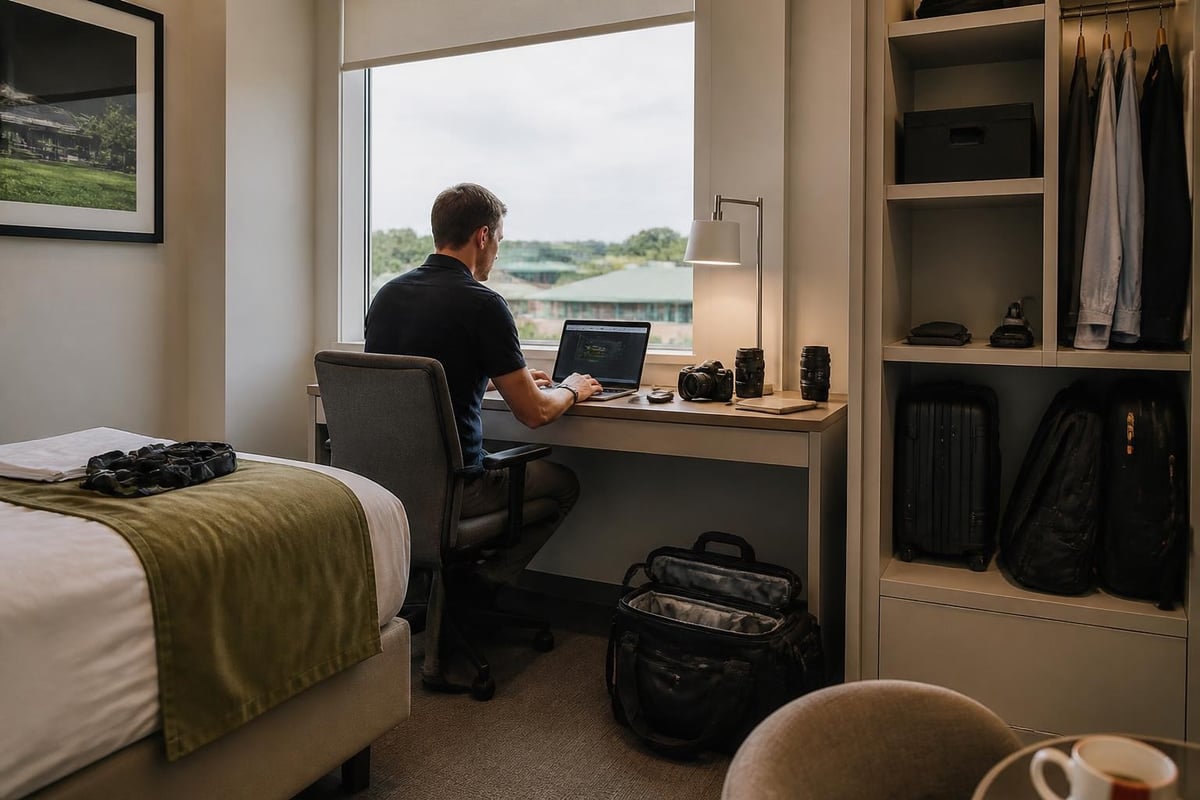
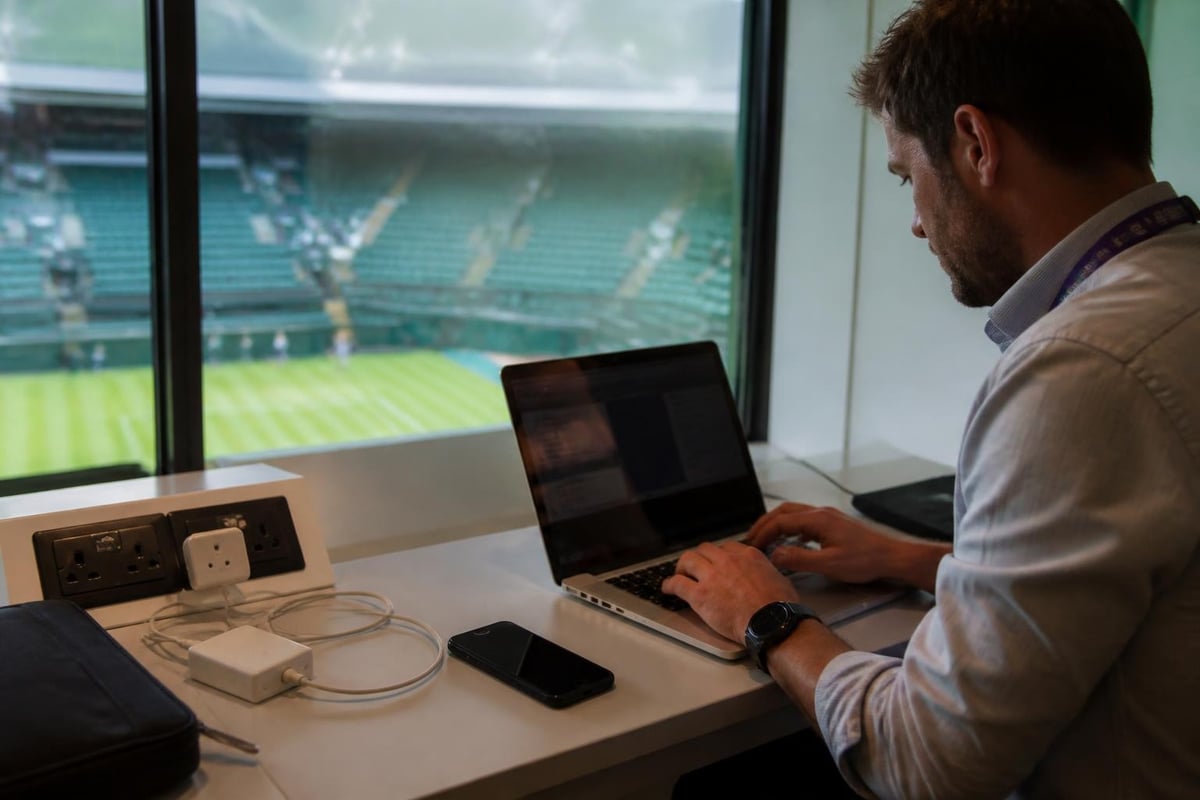
The demanding nature of tournament coverage means wimbledon media accommodation must function as both a workspace and a recovery zone. Reporters need areas to review footage, write scripts, and conduct remote interviews outside the official AELTC Media Centre. Production assistants require space to organize equipment, charge batteries, and store sensitive gear securely.
Essential amenities for media professionals include:
- High-speed broadband with minimum 100 Mbps speeds
- Dedicated workspace with proper lighting and ergonomic seating
- Reliable backup power solutions for equipment charging
- Blackout curtains for irregular sleep schedules
- Proximity to grocery stores for quick meal preparation
Print journalists and digital content creators particularly value accommodations with separate living and working areas. A 3-bedroom property can serve dual purposes, with one bedroom converted into an editing suite while maintaining comfortable sleeping quarters.
Location Strategies for Media Housing
Geographic considerations play a crucial role when selecting wimbledon media accommodation, with transportation infrastructure and walking distance to the grounds serving as primary factors. The SW19 postal code encompasses diverse neighborhoods, each offering distinct advantages for different media roles.
Proximity Zones and Transportation Access
Media personnel can be categorized into three groups based on their movement patterns during the tournament. Broadcast crews with heavy equipment prioritize ground-floor access and parking availability. Roving reporters value walkability to the grounds. Remote production staff may accept longer commutes for larger, more affordable spaces.
| Distance from AELTC | Commute Time | Best For | Typical Property Type |
|---|---|---|---|
| 0.3-0.8 miles | 10-15 min walk | Broadcast presenters, lead reporters | 1-2 bedroom apartments |
| 0.8-1.5 miles | 5-10 min drive/bus | Production crews, photographers | 2-3 bedroom houses |
| 1.5-3 miles | 15-20 min drive | Support staff, freelancers | 3-4 bedroom houses |
Properties in Wimbledon Village offer the shortest walking distances, while areas like Southfields and Raynes Park provide excellent value for larger crews sharing 4-bedroom properties. The District Line provides reliable transit, with Wimbledon and Southfields stations serving as key hubs during the tournament.
Neighborhood Character and Amenities
Different SW19 neighborhoods cater to varying lifestyle preferences among media professionals. Wimbledon Village features upscale dining and shopping, appealing to senior correspondents and network executives seeking refined environments. The area around Wimbledon town center offers diverse international cuisine and 24-hour convenience stores, supporting the irregular schedules common in media coverage.
Neighborhood advantages by area:
- Wimbledon Village: Premium restaurants, boutique shopping, quiet residential streets
- Wimbledon Town Center: Late-night dining, major supermarkets, cinema for downtime
- Southfields: Authentic pubs, community atmosphere, competitive pricing
- Raynes Park: Spacious properties, family-friendly parks, budget-friendly options
Understanding these distinctions helps media teams select wimbledon media accommodation that aligns with their work patterns and personal preferences during the intensive two-week tournament period.
Booking Timelines and Market Dynamics
The wimbledon media accommodation market operates on dramatically different timelines compared to standard rental markets. Media organizations begin securing properties 12-18 months in advance, with peak booking activity occurring between September and December of the preceding year.
Early Reservation Benefits
Broadcasters holding multi-year rights agreements often reserve the same properties annually, creating a "hidden inventory" that never reaches public listings. Networks like ESPN, BBC, and NBC maintain relationships with property managers, securing their preferred accommodation near AELTC through direct negotiations.
Independent journalists and smaller production companies face tighter timelines. Waiting until spring 2026 to secure wimbledon media accommodation significantly reduces available inventory and drives up pricing. Properties suitable for media use-those with strong WiFi, workspace, and convenient locations-typically book 8-12 months before the tournament.
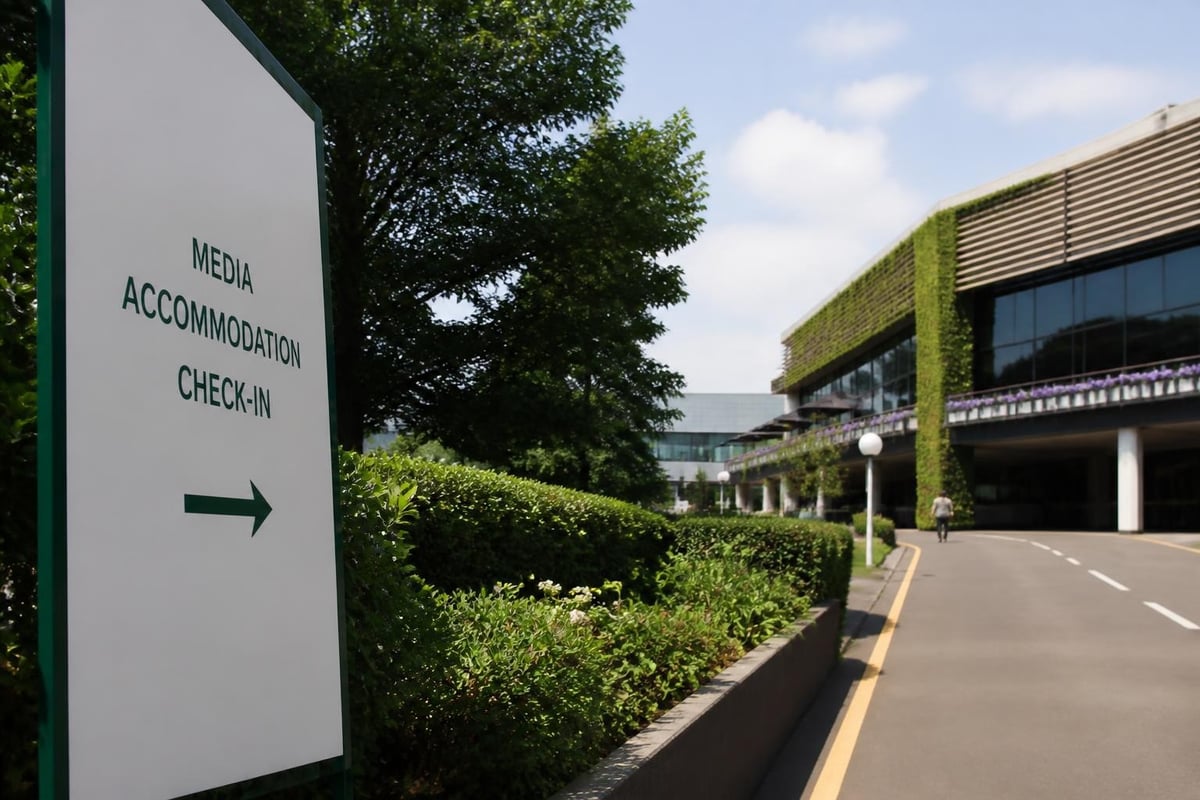
The market experiences distinct booking waves. Initial reservations from major broadcasters occur 12-18 months out. Secondary bookings from national media outlets happen 8-12 months prior. Final availability for freelancers and late additions typically happens 3-6 months before the tournament, often at premium prices.
Property Selection Criteria for Different Media Roles
Different media roles require specific property features, making one-size-fits-all recommendations ineffective. Understanding role-specific needs helps optimize wimbledon media accommodation selections for both comfort and functionality.
Broadcast Crews and Technical Staff
Television production teams face unique logistical challenges. Camera operators, sound engineers, and production assistants work with expensive, sensitive equipment requiring secure storage. Ground-floor properties with direct vehicle access simplify daily equipment transport between accommodation and the new media pavilion.
Broadcast presenters maintain different priorities. On-camera talent needs professional appearance maintenance, requiring properties with excellent natural lighting, full-length mirrors, and spacious bathrooms for makeup and wardrobe preparation. A 2-bedroom property allows one bedroom for sleeping while converting the second into a preparation studio.
Print and Digital Journalists
Writers and content creators prioritize quiet environments conducive to concentration. Wimbledon media accommodation for journalists should minimize noise pollution from traffic or neighbors, particularly during evening writing sessions following long tournament days. Properties on residential side streets outperform those on main thoroughfares.
Digital journalists producing video content require additional considerations. Podcast recording demands acoustic treatment or naturally quiet rooms. Video editing requires powerful internet upload speeds for content distribution to international audiences on tight deadlines.
| Media Role | Primary Needs | Secondary Needs | Ideal Property Size |
|---|---|---|---|
| TV Presenters | Appearance prep space, natural light | Privacy, reliable WiFi | 1-2 bedrooms |
| Camera Crews | Equipment storage, vehicle access | Security, ground floor | 2-3 bedrooms |
| Print Journalists | Quiet workspace, fast internet | Coffee-making facilities | 1-2 bedrooms |
| Production Staff | Team collaboration space | Kitchen for group meals | 3-5 bedrooms |
Cost Considerations and Budget Planning
Wimbledon media accommodation pricing operates on tournament-specific models that differ substantially from standard rental rates. Property owners implement minimum stay requirements, typically 14 nights, with rates reflecting peak demand during the Championships period.
Pricing Structures Across Property Types
Budget planning requires understanding how various factors influence accommodation costs. Location proximity commands premium pricing, with properties within 0.5 miles of the AELTC gates commanding 40-60% premiums over similar properties at 1.5-mile distances. Property size and amenities create additional pricing tiers.
2026 estimated nightly rates by property category:
- Studio/1-bedroom apartments: £200-400 per night
- 2-bedroom houses/apartments: £350-600 per night
- 3-bedroom houses: £500-800 per night
- 4-5 bedroom houses: £750-1,200 per night
These rates reflect fully-furnished properties with all utilities included. Media organizations often negotiate package deals for multiple properties, securing volume discounts of 10-15% when booking three or more units. Understanding media roles at Wimbledon 2026 helps organizations estimate their accommodation needs accurately.
Cost-Sharing Strategies for Freelancers
Independent media professionals frequently share wimbledon media accommodation to manage costs effectively. A 5-bedroom property split among four journalists reduces individual costs while providing collaborative benefits. Shared accommodations work best when occupants maintain similar schedules and work in complementary roles.
Freelancers should establish clear agreements regarding workspace allocation, quiet hours, and shared expenses before committing to group arrangements. Properties with multiple bathrooms and dedicated work areas minimize conflicts among cohabitating media professionals during the intensive tournament period.
Amenities That Enhance Media Professional Productivity
Beyond basic housing requirements, specific amenities significantly impact media professional effectiveness during the tournament. Wimbledon media accommodation that anticipates work-related needs provides competitive advantages for demanding coverage schedules.
Technology Infrastructure Requirements
Internet connectivity stands as the single most critical amenity. Media professionals upload high-resolution images, transmit video files, and maintain video conference connections simultaneously. Properties should offer fiber-optic broadband with symmetrical upload and download speeds exceeding 100 Mbps. Backup mobile hotspot compatibility provides essential redundancy.
Electrical infrastructure requires equal attention. Modern media coverage demands simultaneous charging of laptops, cameras, smartphones, tablets, and backup batteries. Properties should provide:
- Minimum 8-10 accessible electrical outlets per bedroom
- Surge protection for sensitive electronics
- USB charging ports integrated into common areas
- Adequate circuit capacity to prevent breaker trips
Media professionals increasingly value smart home features. Climate control systems with programmable thermostats accommodate irregular schedules. Keyless entry systems eliminate concerns about lost keys during hectic coverage days.
Comfort and Recovery Features
The physical demands of tournament coverage make recovery amenities valuable. Quality mattresses and blackout curtains support irregular sleep patterns. Well-equipped kitchens enable healthy meal preparation, avoiding reliance on expensive, time-consuming restaurant dining.
Properties with outdoor spaces offer particular appeal. Private gardens or balconies provide mental decompression areas after long days at the tournament grounds. Some media professionals use these spaces for informal interviews or podcast recordings, appreciating the natural acoustics and ambient atmosphere.
Navigating Accreditation and Access Logistics
Securing appropriate wimbledon media accommodation coordinates directly with media accreditation processes. The All England Club implements strict accreditation terms and conditions that influence daily logistics and accommodation requirements.
Daily Commute Planning
Media personnel with broadcast accreditation typically arrive at the grounds between 8:00-9:00 AM for matches beginning at 11:00 AM. Evening matches extend coverage until 10:00-11:00 PM or later during particularly competitive contests. These schedules make commute times significant quality-of-life factors.
Properties within walking distance eliminate transportation uncertainties. A 15-minute walk proves more reliable than a 10-minute drive subject to tournament traffic congestion. Media professionals working varied shifts particularly value this predictability.
Security and Equipment Safety
Media equipment represents substantial financial investments requiring secure storage. Wimbledon media accommodation should provide locked rooms or closets for camera bodies, lenses, laptops, and recording devices valued collectively at tens of thousands of pounds. Ground-floor properties with direct vehicle access enable daily equipment transport without building elevator dependencies.
Properties in established residential neighborhoods typically offer superior security profiles compared to transient commercial areas. Communities with active neighborhood watch programs and good street lighting provide additional peace of mind for expensive professional gear.
Property Management and Support Services
The quality of property management significantly impacts the wimbledon media accommodation experience. Media professionals working intensive schedules cannot afford time dealing with maintenance issues, connectivity problems, or missing amenities.
Pre-Arrival Preparation Standards
Professional property managers conduct thorough pre-arrival preparations specifically for media clients. This includes WiFi speed testing, outlet inventory verification, and workspace setup according to client specifications. Some managers offer equipment rental services, providing monitors, printers, or ergonomic chairs for the tournament duration.
Communication protocols matter substantially. Media professionals need managers available for urgent issues but not intrusive in daily operations. Text-based communication systems work effectively, allowing quick issue reporting without scheduling phone calls during busy workdays.
Quality property management indicators:
- Detailed pre-arrival information packets with WiFi passwords and emergency contacts
- 24-hour emergency support for critical issues
- Mid-stay check-ins to address emerging needs
- Flexible check-in/check-out times accommodating media schedules
- Local knowledge about restaurants, transportation, and services
Properties managed by specialists in tennis rentals understand media professional needs better than general hospitality providers. These specialists anticipate requirements like early morning coffee facilities, blackout curtains, and workspace configurations without explicit requests.
Problem Resolution Responsiveness
Equipment failures or connectivity issues require immediate attention during tournament coverage. The Media Pavilion facilities provide on-site resources, but accommodation-based problems need rapid property management responses. Managers should maintain relationships with local electricians, IT specialists, and appliance repair services for same-day problem resolution.
The best property managers proactively monitor accommodation conditions during the tournament, identifying potential issues before they affect media professionals. This includes checking weather forecasts to prepare for storms, monitoring internet service provider notifications, and maintaining backup solutions for common problems.
Group Accommodation for Media Organizations
Large media organizations covering Wimbledon often house entire teams in close proximity. Coordinating wimbledon media accommodation for groups of 5-15 people requires strategic planning and property selection expertise.
Clustered Property Strategies
Networks and major publications increasingly favor clustered accommodation approaches. Rather than securing a single large property, organizations rent multiple smaller units within the same neighborhood or building complex. This strategy provides flexibility while maintaining team cohesion.
Clustered arrangements work particularly well for mixed-role teams. Senior correspondents and on-air talent occupy 1-bedroom properties providing privacy and professional space. Production crews and support staff share larger properties, reducing per-person costs while enabling collaboration.
Team Coordination Benefits
Proximity among team members facilitates spontaneous collaboration and problem-solving. Producers can quickly consult with reporters about story developments. Technical crews can share backup equipment when primary gear experiences issues. Editorial meetings occur efficiently without extensive travel.
Some media organizations establish "team houses" where most personnel gather for meals and planning sessions while maintaining separate sleeping quarters. This approach balances community building with personal space requirements during the intense tournament period.
Long-Term Relationship Building
Successful media professionals and organizations treat wimbledon media accommodation providers as long-term partners rather than transactional vendors. Building these relationships yields substantial benefits for recurring tournament coverage.
Annual Reservation Advantages
Establishing relationships with property owners and managers enables priority booking for subsequent years. Media professionals who treat properties respectfully, communicate effectively, and pay promptly often receive first-refusal rights on their preferred accommodations for future tournaments.
Some property owners maintain multi-year agreements with media organizations, providing rate stability and booking certainty. These arrangements prove particularly valuable given the competitive accommodation market. Viewing all properties early establishes familiarity with options for building these ongoing relationships.
Feedback and Continuous Improvement
Professional media personnel provide constructive feedback to property managers, identifying amenities or services that would enhance future stays. Forward-thinking managers implement suggestions, continuously improving their wimbledon media accommodation offerings. This collaborative approach benefits both parties, creating increasingly refined housing solutions optimized for media coverage demands.
The most successful long-term relationships involve regular communication outside tournament periods. Media professionals who maintain contact with property managers throughout the year receive advance notice of property upgrades, early booking opportunities, and preferential consideration for premium inventory.
Securing appropriate wimbledon media accommodation requires understanding the unique demands of tournament coverage, planning well in advance, and selecting properties that balance location, amenities, and budget considerations effectively. With 25 years of experience providing fully-furnished properties near the AELTC, Wimbledon Tennis Homes specializes in housing media professionals during the Championships, offering diverse property options and expert local knowledge to ensure comfortable, productive stays for journalists, broadcasters, and production crews.